

Answers
Should you white label your advisory platform? Sometimes no.
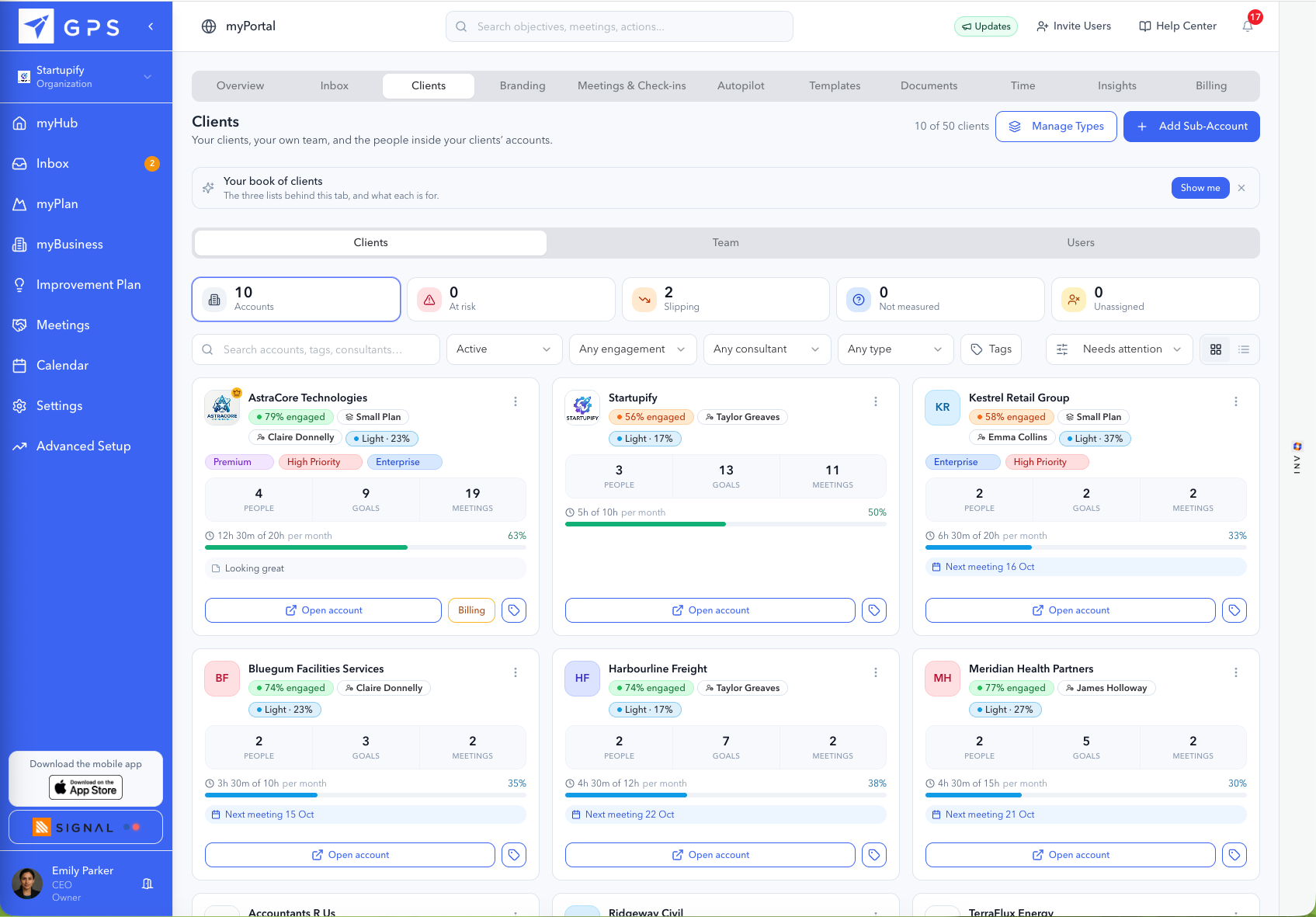
Brand it as your own when the client is buying your firm's judgement and the software is incidental to that. Leave it visible when the client needs to know their plan sits in a real platform rather than in a consultant's spreadsheet with a logo on the front. The second case is commoner than the people selling white labelling tend to admit.
- Set up with your plan
- Unlimited users
- 30-day pilot
Why it is not an obvious yes
Branding is cheap. The consequences are not.
White labelling is usually presented as free upside. It is a positioning decision, and it changes what the client thinks they are paying for.
What gets overlooked
You inherit the support expectation
If it carries your name, a client with a question about the software asks you, not the vendor. That is fine if you planned for it and awkward if you did not.
You lose a credibility borrow
A smaller practice competing against a larger one sometimes benefits from the client seeing that real software sits underneath. Hiding it removes an argument you might have wanted.
It raises a question at renewal
A client who believes the platform is yours may assume it leaves with you. Being clear about what they keep is easier before the conversation than during it.
How to decide
Three cases, and what each one points to.
How it works
Brand it: the engagement is the product
Coaching practices, fractional executives and advisory firms whose clients are buying a named person's judgement over a long engagement. Here the software is plumbing, the client never shops for it, and a second brand in the experience is a distraction from yours.- Long engagements with a named advisor
- The client never evaluates the tooling
- Your brand is the reason they chose you
Leave it visible: the client is being reassured
Where the client is institutional, has a board, or is moving off spreadsheets and needs to believe the new place is durable. A recognisable platform answers "what happens to this if our advisor is unavailable" in a way a branded shell does not.- Institutional or board-governed clients
- Moving off spreadsheets and nervous about it
- Continuity is part of the sale
Mixed: brand the surface, name the engine
Your logo, your colours and your domain on what the client uses every week, and the platform named where it matters, in the agreement and when somebody asks. Most firms land here once they have run both for a quarter, and it avoids the renewal conversation above.Before you decide
Six questions worth answering first.
None of these are about colours. They are the things that decide whether the choice helps.
The checklist
Who answers a software question?
If your name is on it, you do. Decide whether that sits with an account manager or with the person who delivers the work.
What does the client keep?
Write it into the engagement letter before the first login, not at renewal. The answer is easier when it is early.
Does your client have a board?
Boards ask where data lives and what happens if the advisor changes. A named platform answers that faster than you can.
Are you competing on size?
Against a larger firm, visible infrastructure can be an argument in your favour. Against a solo operator, your own brand usually is.
How many clients are affected?
Branding is per practice, not per client, so a mixed book means choosing for the majority and explaining it to the rest.
Would you be comfortable being asked?
If a client asking "what is this built on" would be awkward, that is worth examining before you brand it rather than after.
Questions
Questions about white labelling
Should an advisory firm white label its client platform?
Brand it when the client is buying your firm’s judgement and never evaluates the software. Leave the platform visible when the client is institutional, has a board, or needs reassurance that their plan sits somewhere durable. Many firms end up branding the weekly surface and naming the platform in the agreement.
What is the downside of white labelling?
You inherit the support expectation, because a client with a software question asks whoever’s name is on it. You also lose the credibility a recognisable platform can lend a smaller practice, and you create a question at renewal about what the client keeps.
Does white labelling cost extra on GPS?
No. Every feature is on every Professional Services plan, so branding is not a tier you upgrade into. The only thing that changes between plans is how many client accounts you hold.
Can we brand it for some clients and not others?
Branding applies to your practice rather than to individual clients, so a mixed book means choosing for the majority. If you genuinely need both, the practical answer is usually to brand the surface the client uses weekly and name the platform in the engagement letter.
What should the engagement letter say?
What the client keeps if the engagement ends, who they contact about the software, and what the platform underneath is. Writing it down before the first login avoids the version of this conversation that happens at renewal.

Deciding how to present it to clients? Ask ANI and get a straight answer.
Try it both ways before you decide.
Start free for 30 days, brand a client account, and see which conversation it makes easier.